
September 18, 2026
•
News
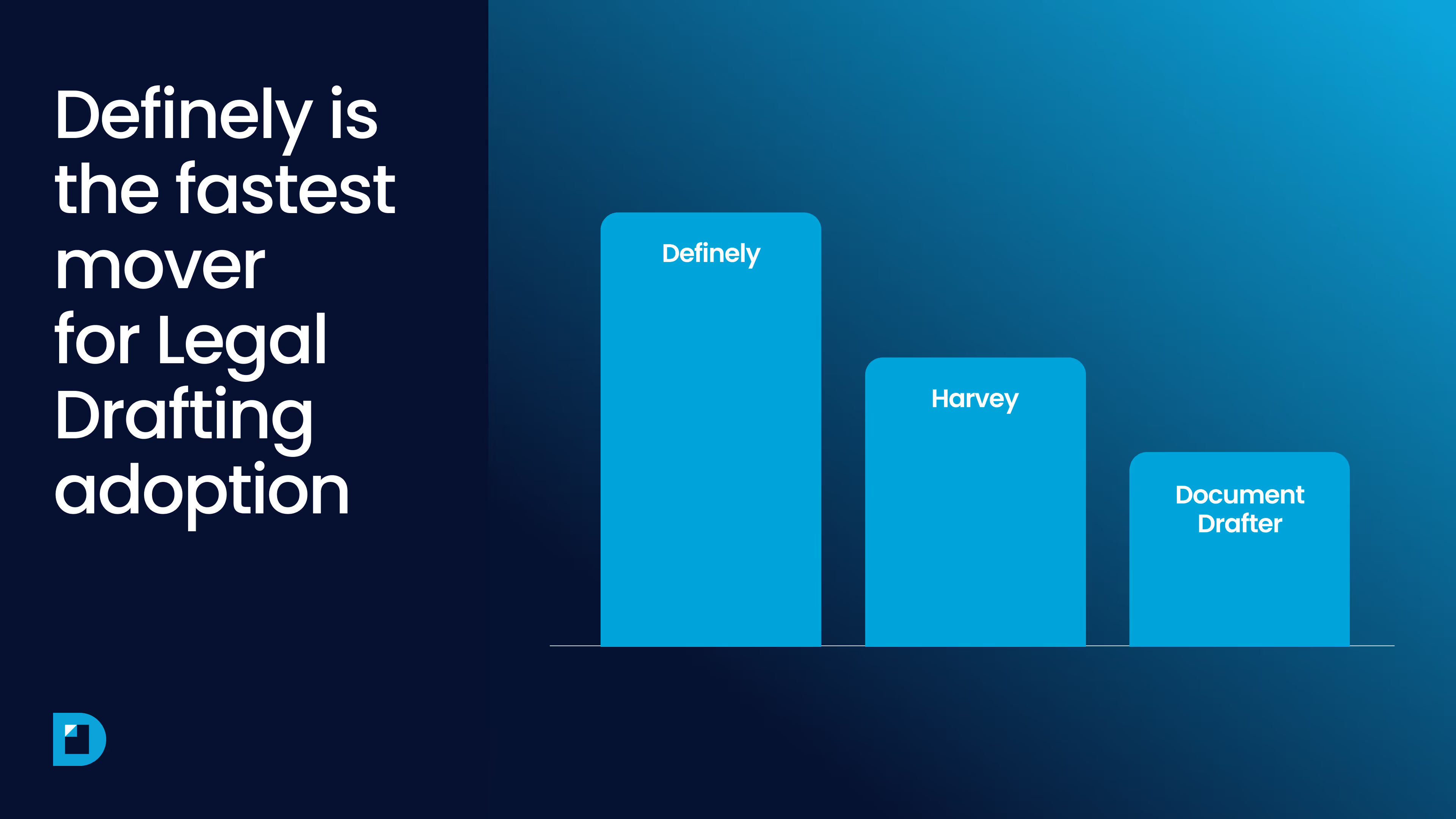
One of the clearest indicators in today’s overcrowded LegalTech environment? Momentum.
LegalTech adoption among law firms and in-house teams is maturing and moving past the initial adoption concerns of AI, such as hallucination, risk, and integrity. The market has shifted, and using AI tools to assist with drafting and reviewing is becoming the new norm.
But, which tools have cemented themselves as a vital ingredient of firm-wide processes? Which have a growing and ongoing, meaningful impact on the future of how legal teams function?
The 2026 survey of 130 top-tier law firms from Strategic Knowledge and Innovation Legal Leaders Summit (SKILLS) with support from Legaltech Hub (LTH) has become one of the most closely watched annual readings of the legal AI market. It gives concrete data on which tools are being used, for which use cases, and which are having positive user impact.
For Definely, this year's data proves we are a company building durable momentum.
Momentum is a key indicator of which tools are having real world impact.
In the survey's year-over-year engagement analysis, Definely is the fastest mover in the dataset, posting the strongest year-over-year gain in engagement of any vendor in the legal drafting category. Simply put: Definely is gaining ground faster than any other tool in the space.
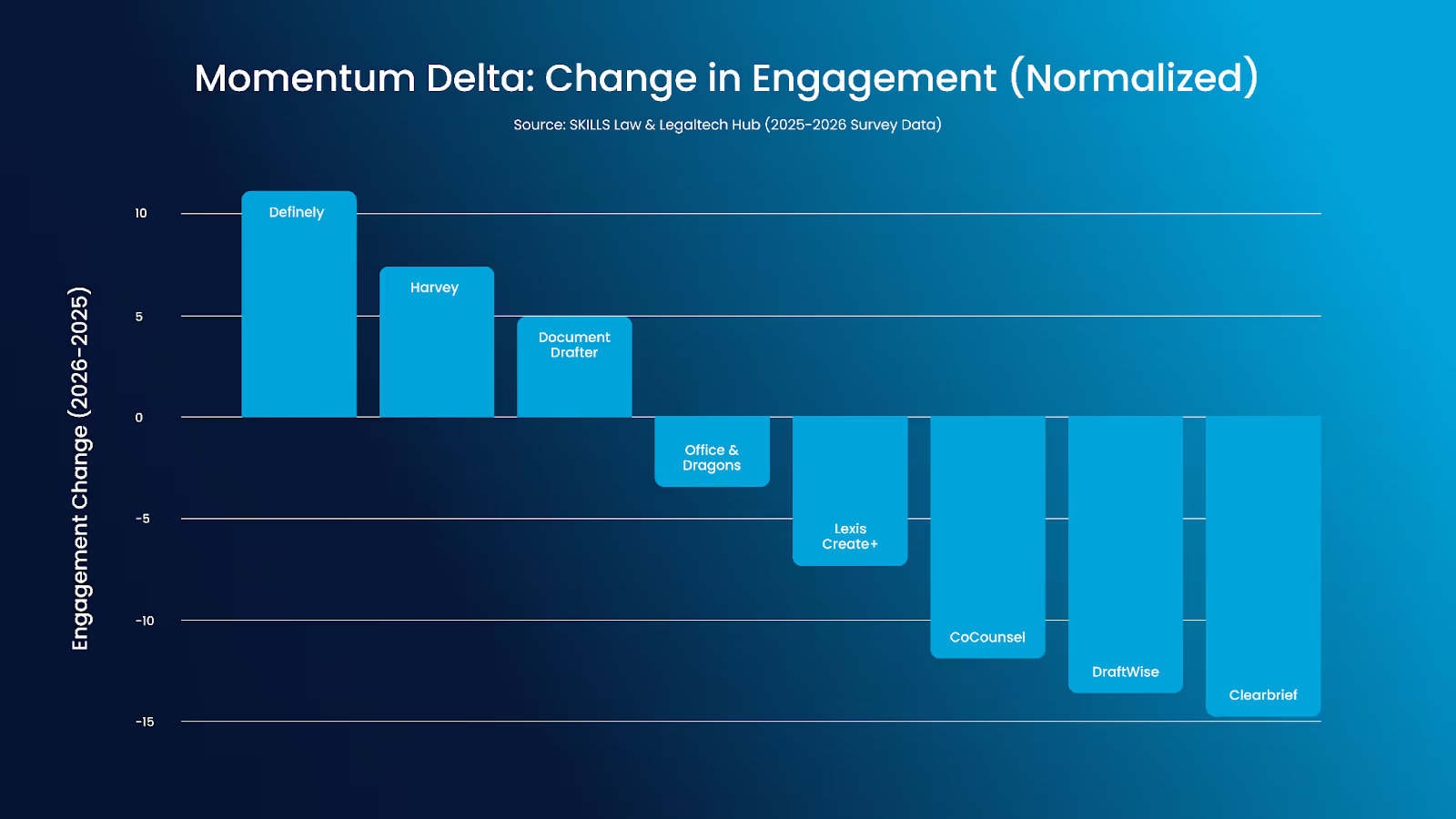
Momentum in law firm AI adoption is not linear. Firms run pilots, observe peer behaviour, and make procurement decisions that are constantly being assessed and evaluated. A vendor gaining a consistent share-of-attention is clearly winning the pilot-and-evaluate stage.
Furthermore, SKILLS Summit attendees from 106 large law firms also rated how likely they were to recommend the legalTech vendors they interact with. Definely was in the top 10.
The normalization methodology of the LTH-SKILLS survey means this gain is not an artifact of the survey growing. Definely is capturing a larger proportion of active firm attention, not simply benefiting from a larger sample.
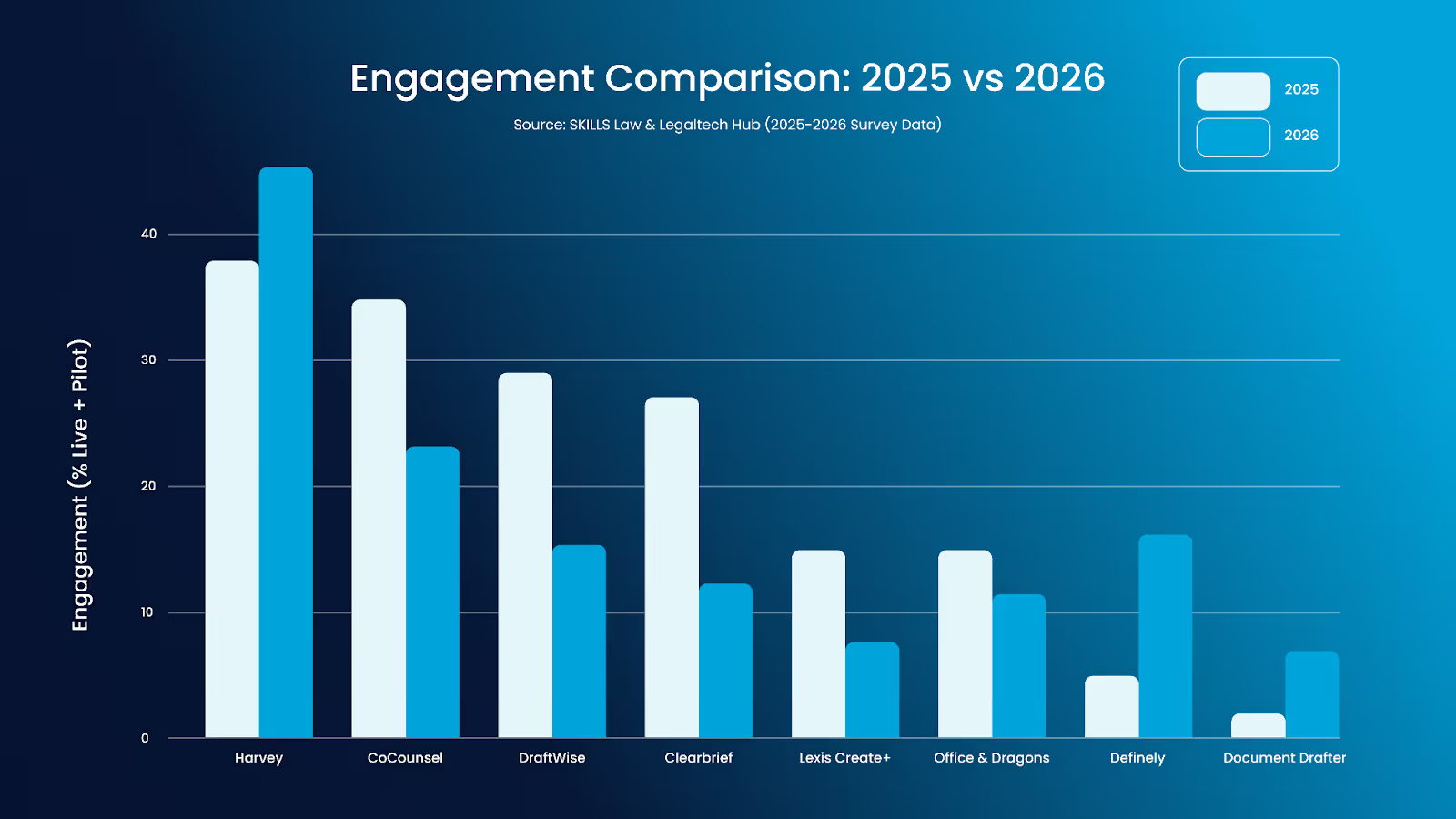
Definely is a purpose-built drafting and review tool designed with the drafting workflow at its core, rather than as a feature within a broader platform suite. This data suggests that firms want specialist depth over generalist breadth, and our tools are delivering that, often alongside their broader AI stack.
Legal drafting is no longer an experimental use case. The data confirms that firms have resolved the threshold question of whether GenAI can be deployed in drafting workflows, and are now in the business of optimising which tools they use and how they configure them.
Disruption rarely begins with outright dominance. It begins with momentum.
The 2026 data proves Definely has it.

.avif)